The Impossible as Routine: Life in the Vastness of the Cosmos
They say life is a miracle. A whisper of improbability. An almost impossible alignment in the machinery of chaos. But perhaps the true miracle is not life itself — but the vastness that makes it possible. Because when the number of attempts approaches infinity, the improbable becomes routine. And in this cosmic theater, where time is unhurried and space knows no borders, everything that can happen, will happen.
"The absence of evidence is not evidence of absence." — Carl Sagan
This is not a naive belief in luck, but a statistical recognition of universal geometry. Life did not bloom in spite of the universe. Life is the way the universe blooms.
The Rhetoric of Improbability
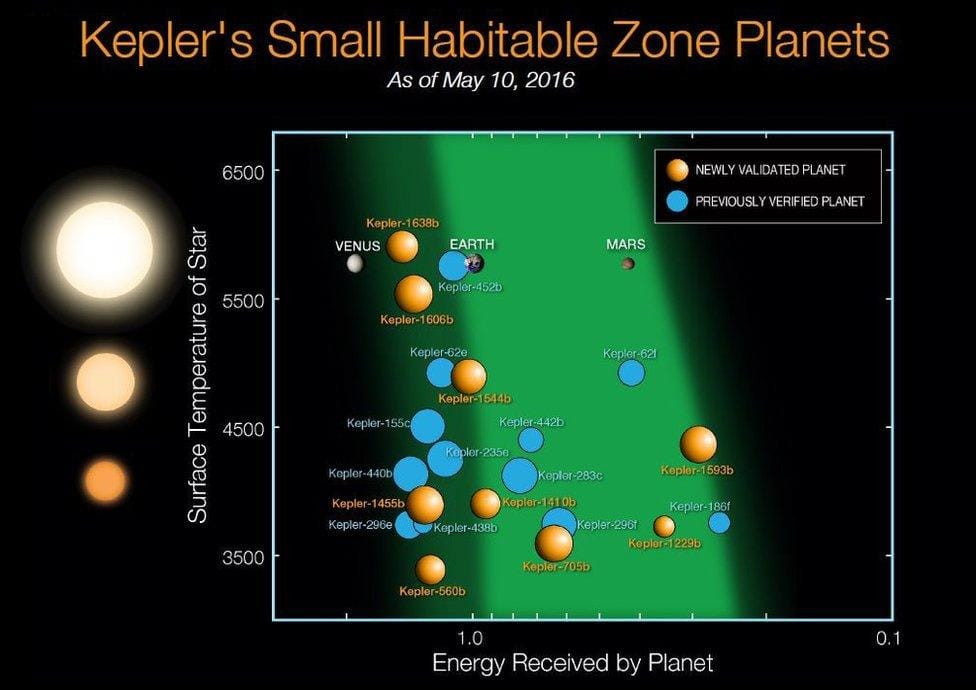
For centuries, the dominant narrative has been one of exception. Life as a rare accident, nearly a statistical anomaly. The Drake Equation, for instance, attempts to calculate the number of intelligent civilizations in the galaxy, but it starts from assumptions often clouded by ignorance of scale.
Scientists point to the fine-tuning of physical constants — if the strong force were slightly different, atoms wouldn’t exist; if gravity were weaker, there would be no stars. The very emergence of self-replicating molecules seems as unlikely as throwing a puzzle of trillions of pieces into the wind and having it assemble itself.
"We are tempted to think we are special, that we were created with a purpose. But astronomy teaches us we are not the center of the universe." — Stephen Hawking
This rhetoric forgets that we are not facing a single cosmic roulette. We are inside a casino with trillions of rooms, operating for billions of years.
Cosmic Statistics: When the Incredible Becomes Inevitable
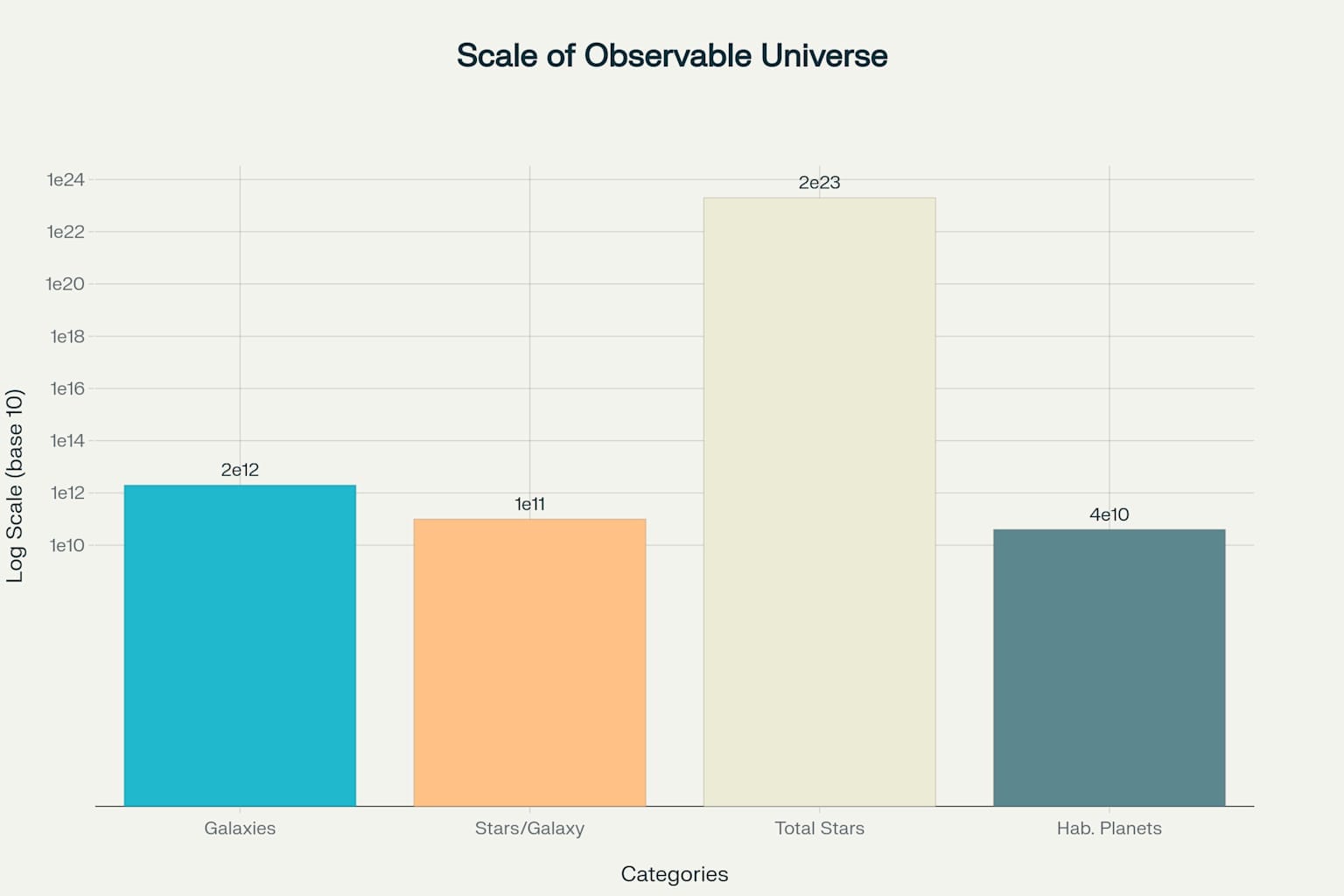
Imagine the universe as a grand probabilistic orchestra. In each galaxy — there are over 2 trillion in the observable universe — there are hundreds of billions of stars. Each star may have planets, moons, oceans, volcanoes, atmospheres. Each of these systems is a board where the combinations of chemistry and physics play with trial and error.
Life, then, is not an exception: it is one of the possible melodies that emerges from this symphony of potential.
"Given the size of the universe and the number of planets, it is statistically unlikely that Earth is the only place where life emerged." — Brian Cox
Even if the chance of life emerging on a given planet were one in 10^40, that chance becomes certainty when 10^24 stars are at play — and that’s only in the observable universe.
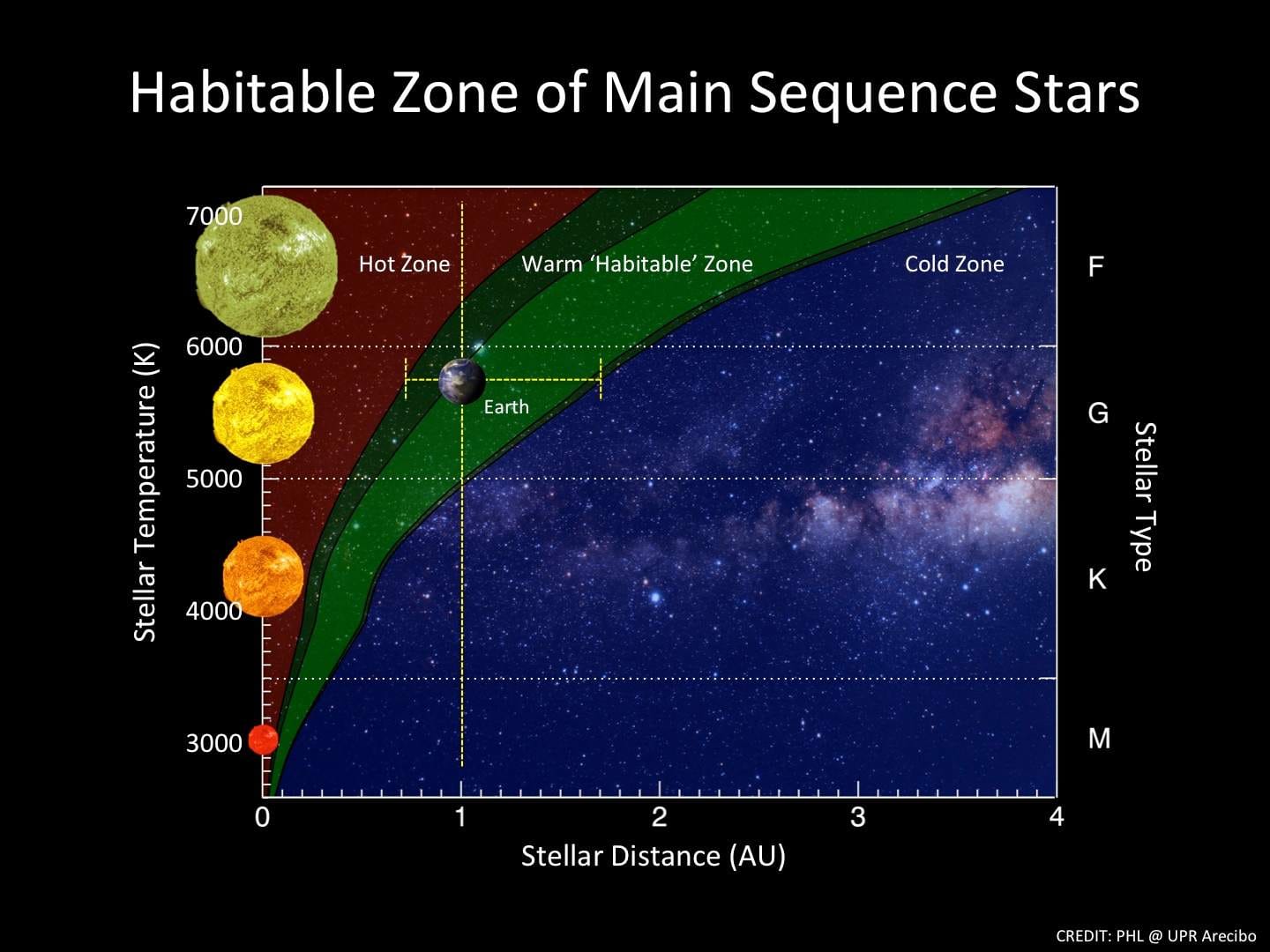
It is tempting to see Earth as a privileged point. But it’s not the stage that creates the play, it’s the script that makes it inevitable. Life is the result of a natural conjunction, not a privilege.
Evolutionary biology itself testifies to this inevitability: life molds itself to its environment, adapts, resurges after extinctions. Carbon forms long and versatile chains not by whim, but due to its physical properties.
"The universe is not fine-tuned for life. Life is fine-tuned for the universe." — Victor Stenger
The existence of a single case of life — Earth — would already be enough to prove the universe allows life. But statistics suggest something more radical: it produces life, naturally and persistently.
In the 16th century, Copernicus removed Earth from the center of the universe. Since then, science has gradually taken us off the pedestal of exception. And now, cosmology tells us that life is not unique. Perhaps not even rare. Just inevitable.
"Life is a way matter organizes itself. Wherever the conditions repeat, it will repeat as well." — Hubert Reeves
The Copernican Principle becomes also a cosmic law of life: we are not the center, nor the only possible result.
The Illusion of Absolute Improbability
When we ask ourselves: "What is the probability of me existing exactly as I am?" — the mathematical answer seems brutal: zero. Just like in a continuous distribution, the chance of a specific point is zero, yet the event is there. It is. Existence is.
We are improbable as a point, but inevitable as a range.
"The probability of you being you is almost null. The probability of someone being is nearly certain. And you are that someone."
Reverse-engineering our own existence is like trying to calculate the chance of a Renaissance painting happening by accident. But that painting is the result of real, natural, persistent processes.
In statistics, we don’t deal in absolute certainties, but in confidence intervals. If the existence of life falls within that interval, improbability doesn’t stop us — it only makes us singular.
There is a poetic beauty in knowing we are the product of a process so impersonal and yet so inevitable. The universe, by generating us, became conscious of itself — a mirror that dreams.
"We are a way for the cosmos to know itself." — Carl Sagan
The improbability of life is not an argument against its existence — it is a testament to the generosity of the cosmos. With each shining star, a new possibility. With every billion years, a new consciousness.
The impossible happens. Because the universe is vast enough to refuse nothing.